Story 1: Beyond the Red Umbrella: Reclaiming Space, Voice and Dignity
Have you ever thought about the children of sex workers? Too often, programmes and funding rightly focus on the health, safety, and rights of sex workers. But their children, growing up in the same environments, shaped by the same systems, are often left unseen. Their experiences of stigma, isolation, and silence rarely feature in programming priorities, leaving a critical gap in support during one of the most formative stages of life.
In Zimbabwe, Frazer Andile Mpofu and Mitchel Zengeya, READY Academy Leaders, set out to change that.
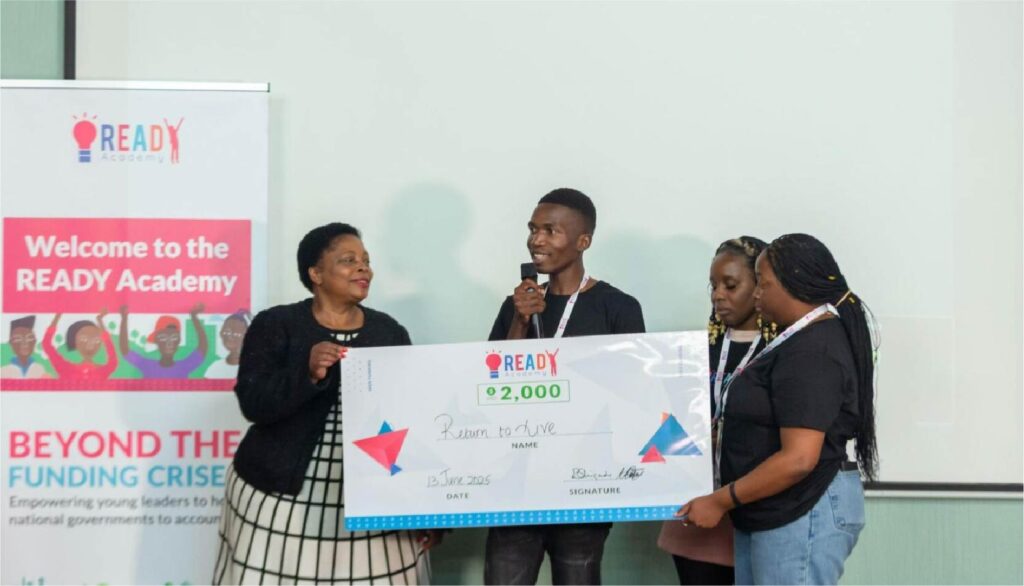
In 2025, through the READY Academy, they were awarded a USD 2,000 READY+ Seed Grant for their project, “Beyond the Red Umbrella.” Their goal was simple but urgent: to centre adolescents aged 12 to 17, children of sex workers in Bulawayo and Mazowe Districts, and respond to their realities in safe, affirming, and youth-led ways.
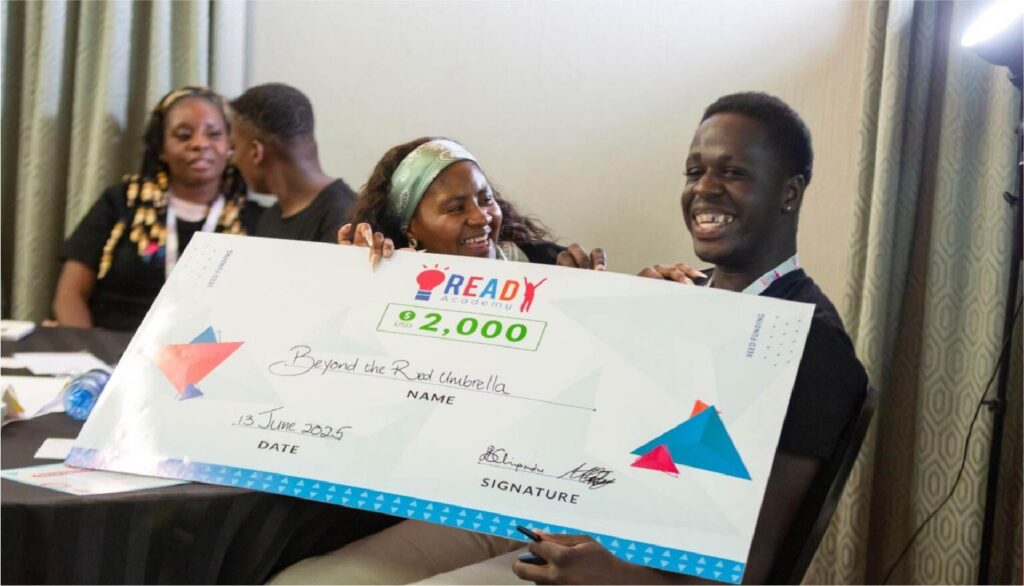
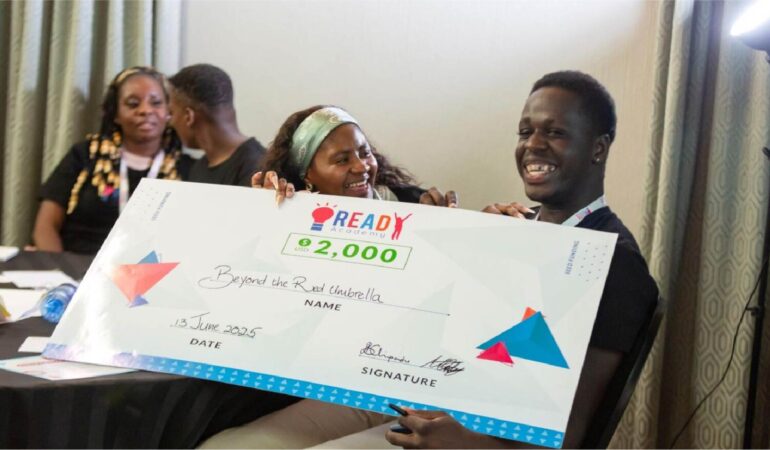
[Mitchel and Frazer being awarded their seed grant at the READY Academy 2025]
What they found was deeply concerning, but not surprising. Many adolescents were navigating bullying at school, exclusion within their communities, and a profound sense of isolation at home. While their parents’ work directly shaped their lives, their needs were often overlooked or treated as no different from those of their peers.
The project began by creating adolescent wellness support groups, safe, youth-friendly spaces where participants could speak openly, without fear or judgment. Through interactive approaches like games, music, and guided conversations, these spaces helped young people articulate experiences they had long kept to themselves.
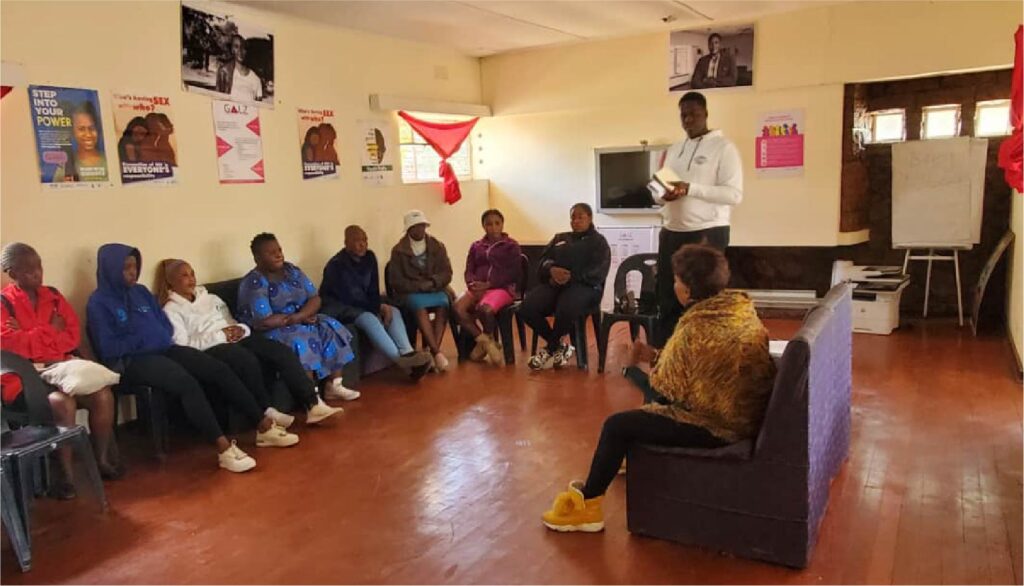
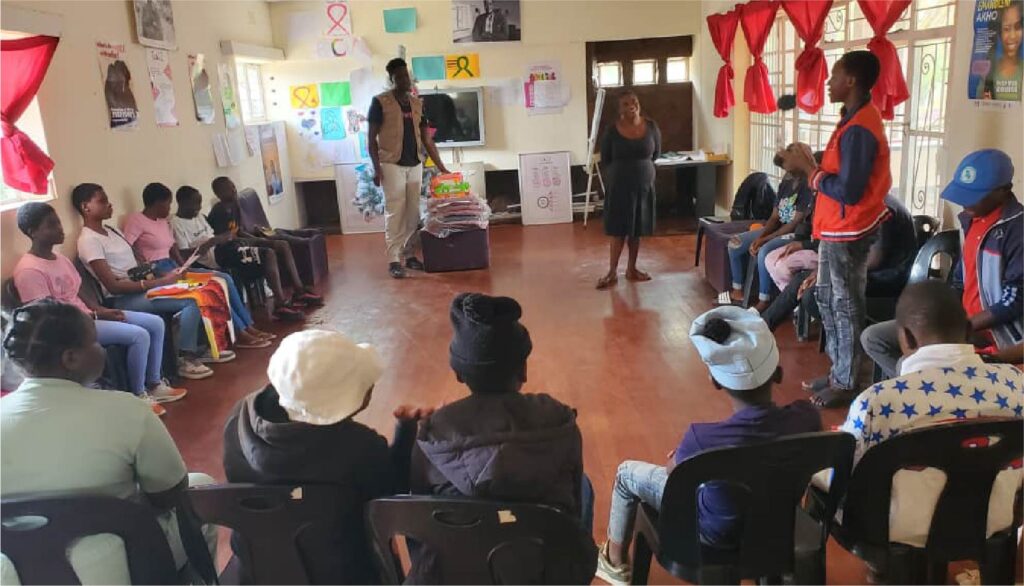
[Sessions held at wellness support groups in Bulawayo and Mazowe Districts]
“Before these sessions, I felt alone and ashamed because of my mother’s work. I was bullied at school and never spoke about it. Through the wellness workshops, I learned that I am not alone and that my feelings matter. I am now more confident and can speak up for myself.”
Child participant, 14 years old
As trust grew, a clear pattern emerged: many of the challenges adolescents faced were rooted in their home environments. In response, Frazer and Mitchel expanded the intervention to include positive parenting sessions for sex workers. These sessions created space for reflection, learning, and dialogue – supporting parents in better understanding their children’s emotional needs and building safer, more supportive home environments.
“The positive parenting sessions helped me understand my child better. I used to think discipline meant shouting or hitting, but I learned how to communicate and listen. My relationship with my child has improved, and our home is now a safer and happier place.”
Sex worker caregiver
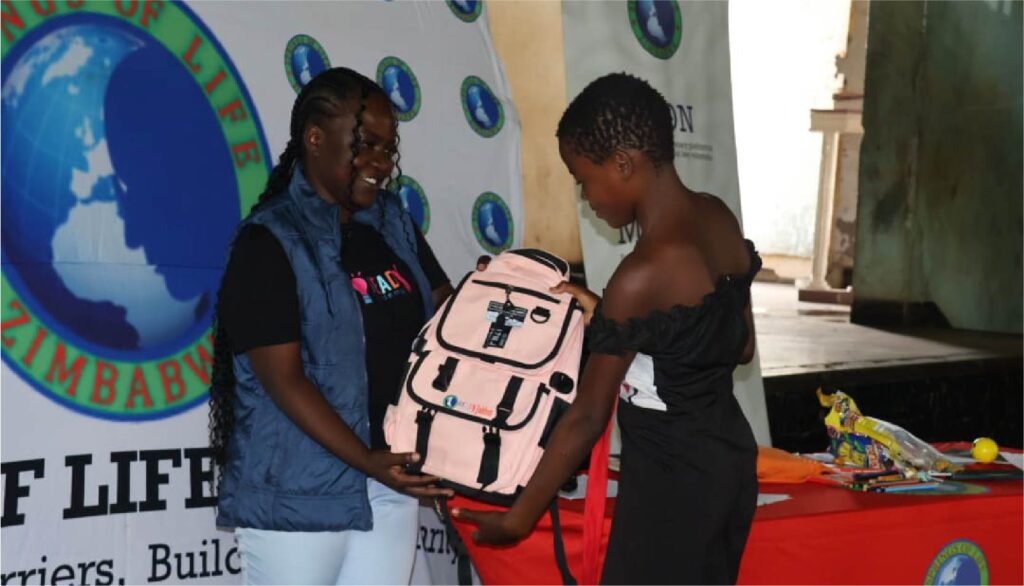
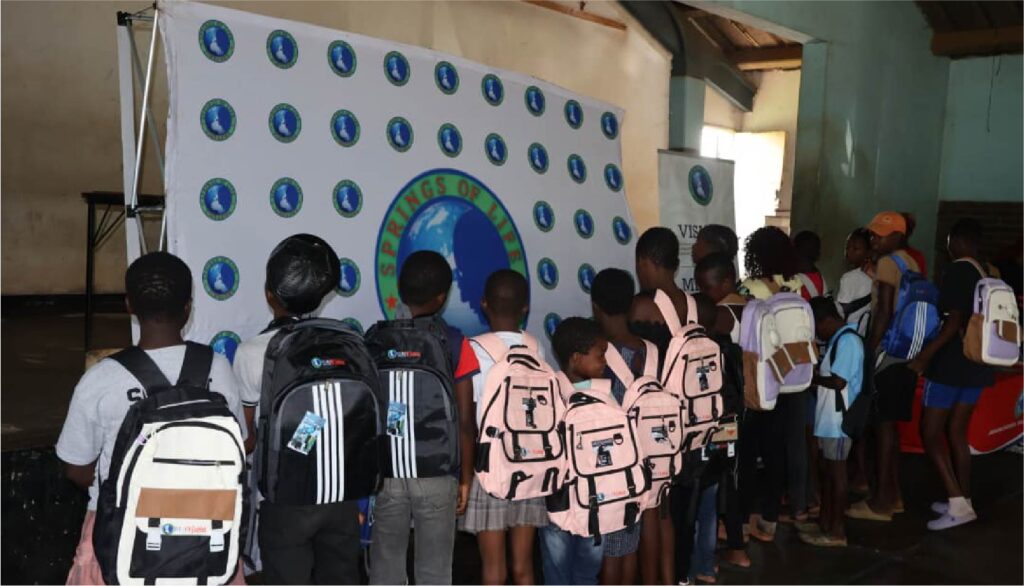
The impact extended beyond emotional well-being. Adolescents who needed additional support were connected to child-friendly health services, ensuring access to care without stigma. Dignity kits, school supplies, and essential materials helped reduce barriers to education, enabling more consistent school participation.
With the READY Seed Grant, Frazer and Mitchel reached over 80 adolescents and 41 parents. But beyond the numbers, their work has sparked something deeper: a shift in how these young people see themselves and how others see them. It also highlighted a need, one that is often overlooked in HIV and sexual reproductive health and rights (SRHR) responses.
Beyond the Red Umbrella is not just about addressing neglect. It is about recognition. It is about creating space for adolescents to be heard and supported – not as an afterthought, but as individuals with their own rights, voices, and futures.
And in doing so, it reminds us that meaningful youth-led advocacy does more than respond to gaps; it reimagines who gets to be seen, and who gets to thrive.
Story 2: Return to Life: Youth Leadership Bringing Young People Back to Care in Mozambique
Jacinto Paulo Muhai could not ignore what he was seeing. As a Community Adolescent Treatment Supporter in Mozambique, he noticed a growing pattern: young people living with HIV were quietly disappearing from care. At first, it appeared as numbers in reports; missed appointments, treatment interruptions, the list goes on. But over time, it became something much more real.
Some had stopped treatment for over 60 days. Others for far longer. And for many, it was not just about access; it was about losing hope.
“Some of them were dying, and that reality sat heavily with me. It was not something I could just ignore or accept. I kept asking myself what it would take to bring them back to treatment, to life. Treatment is more than adherence to ARVs. I wanted these young people to know they had purpose, dignity, and that their lives still mattered.”
Jacinto, READY+ Seed Grant winner
[Jacinto (centre) being awarded the READY seed grant at the READY Academy 2025]
In 2025, through the READY Academy, Jacinto was awarded a USD 2,000 READY+ Seed Grant. But the idea behind his project had already taken shape long before that. He called it “Return to Life.”
The name reflected his vision: to reach young people at their lowest point and walk alongside them as they reconnected, not only with treatment but also with a sense of self-worth and possibility. At the heart of the project was youth leadership.
Jacinto worked with young people already linked to health facilities and supported them to become peer mobilisers and agents of change within their own communities. Together, they identified young people who had defaulted from treatment, reached out through phone calls and community visits, and created pathways for them to return to care.
When they found them, they did something simple, but powerful: they listened. No judgement. No shame. Just space.
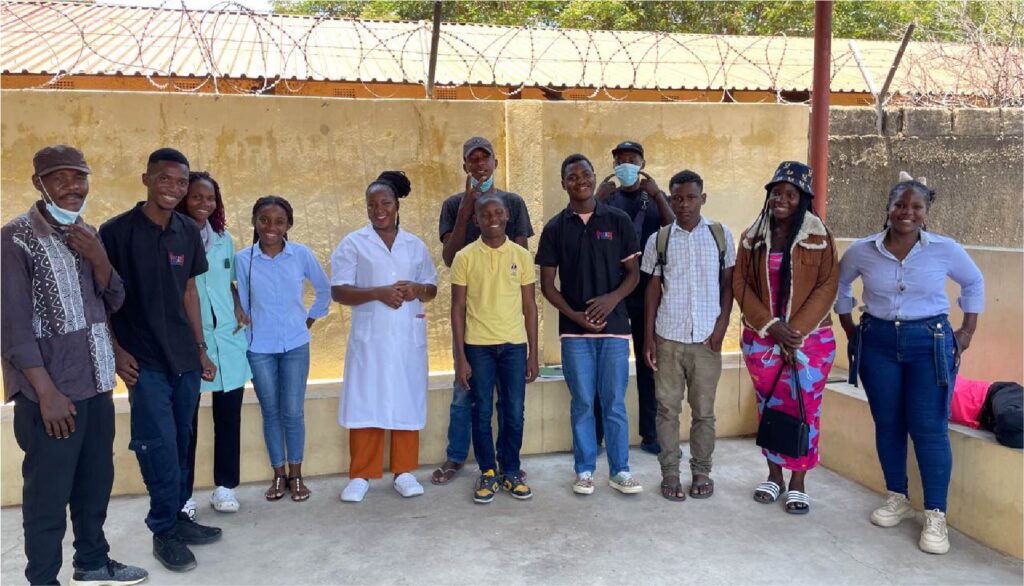
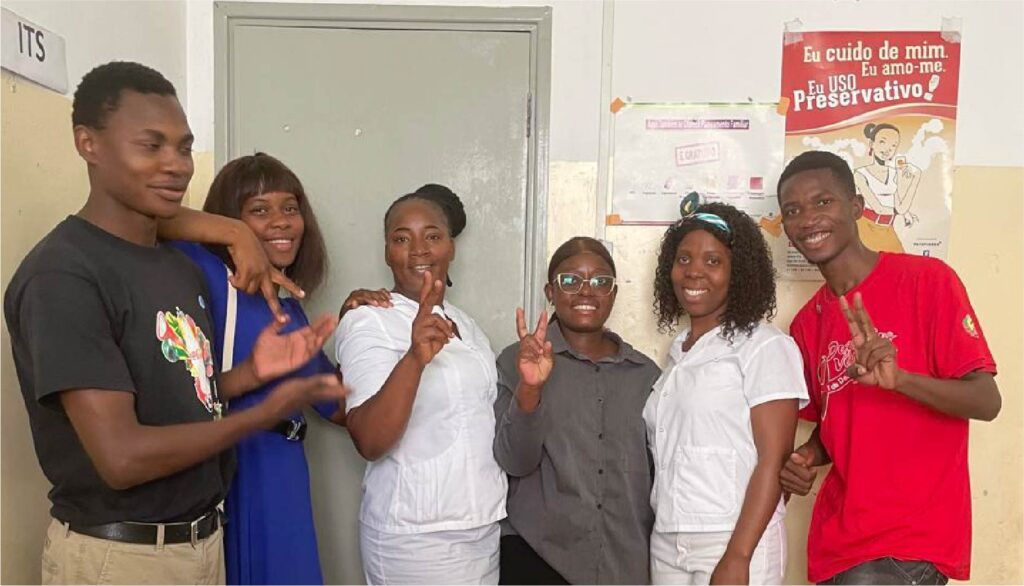
[Safe space sessions led by Jacinto with young people brought in a health facility in Gaza province, Mozambique]
Through newly established peer-led support groups, young people were able to speak openly about the realities they were facing: stigma, heartbreak, fear, and isolation. In these spaces, they found understanding, solidarity, and the confidence to begin again.
One young woman shared how she had stopped taking her medication after being discriminated against by her husband for being HIV-positive. This left her feeling rejected, and so she withdrew from treatment due to the lack of social support. Within the support group, hearing others and being heard in return helped her begin to rebuild.
“The project helped me understand that HIV does not define me. With the guidance and encouragement from the CATS, I learned to take care of myself, follow my treatment properly, and believe that I can live a normal life.”
21-year-old Ellen
The project also began to shift perceptions of the health system itself. Many young people had believed that once they dropped out of care, they would not be welcomed back. They feared judgment, rejection, or shame from healthcare providers. Through Jacinto’s initiative, those fears were challenged. Health facilities became spaces of support and second chances, where young people were actively welcomed and re-enrolled into care.
Through Return to Life, Jacinto has supported over 120 young people to reconnect with treatment. But beyond the numbers, something more lasting has taken root.
What began as one young person’s response to a gap has grown into a youth-led movement of care, accountability, and peer support. The support groups continue even after the seed grant has ended, sustained by the same young people who once needed them.
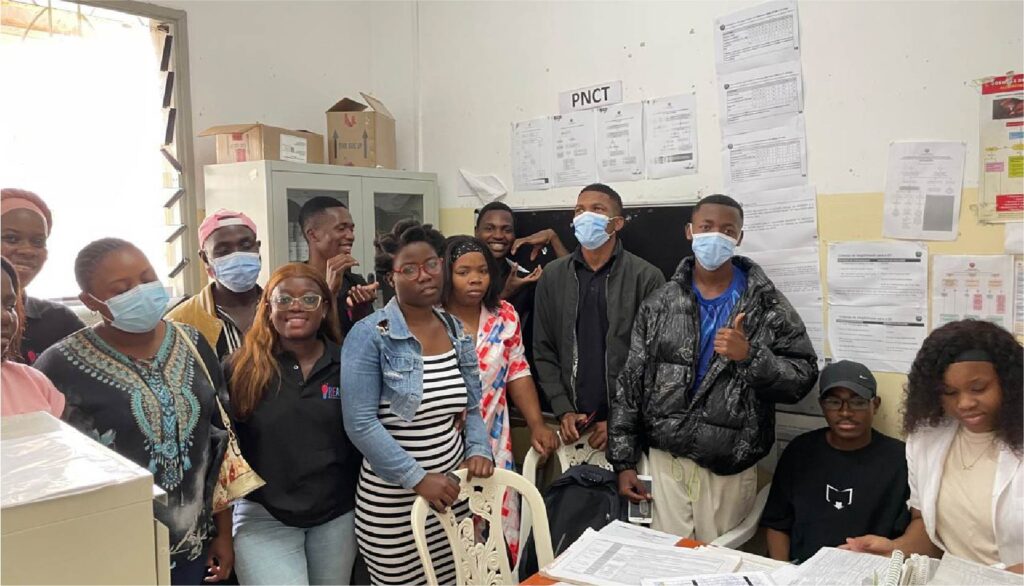
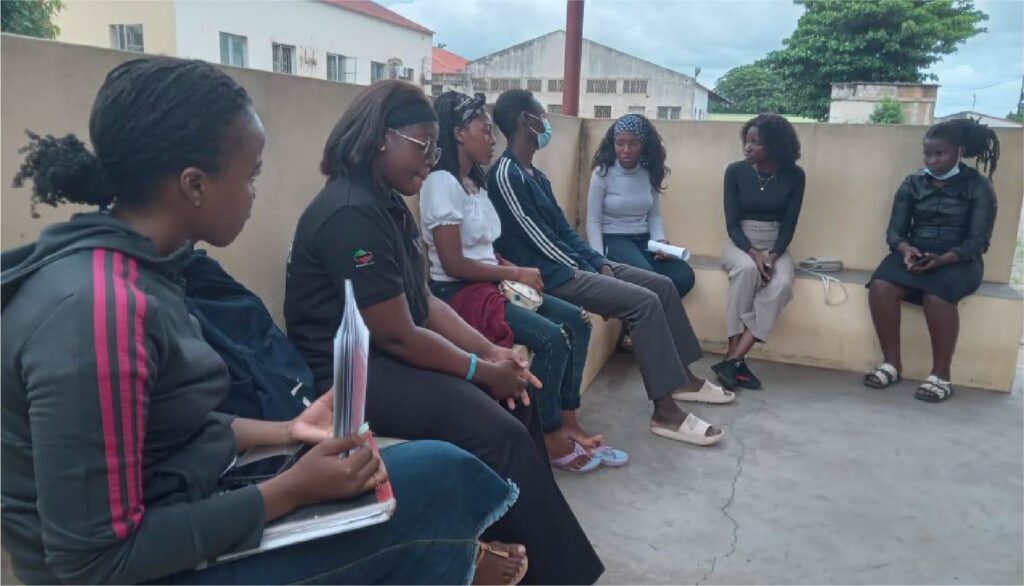
[Safe space sessions with young people brought back to care in Gaza, Mozambique]
Jacinto reflects on his own journey as part of this transformation. Before the READY Academy, he had a passion for acting, but not the structure or confidence to turn his ideas into reality. Today, he is not only implementing change but also inspiring others to do the same.
“If there is one thing I would say to other young people and advocates, it’s not to wait for the perfect moment. Take every opportunity you are given and give your full effort. You may not have all the answers at the beginning, but you will learn through doing.”
Jacinto, READY+ Seed Grant winner
Return to Life is more than a project. It is a reminder that youth leadership is not just about identifying challenges; it is about stepping forward to respond, to reimagine, and to walk alongside others toward something better. Because even when hope feels out of reach, it is never lost. Sometimes, it just takes one young person to help others find their way back.
Story 3: Rewriting the Narrative Where Young Men Lead SRHR Conversations in Eswatini
There is something quietly powerful about noticing who has been left out and choosing to change that. For too long, Sexual and Reproductive Health and Rights (SRHR) programming has focused primarily on women and girls, often overlooking young fathers and adolescent boys who are navigating complex realities around sexuality, responsibility, and identity. Yet, their role in shaping healthier relationships, families, and communities is undeniable.
In the Lubombo region of Eswatini, Nikiwe Mabila and Thabiso Dlamini decided to respond to this gap.
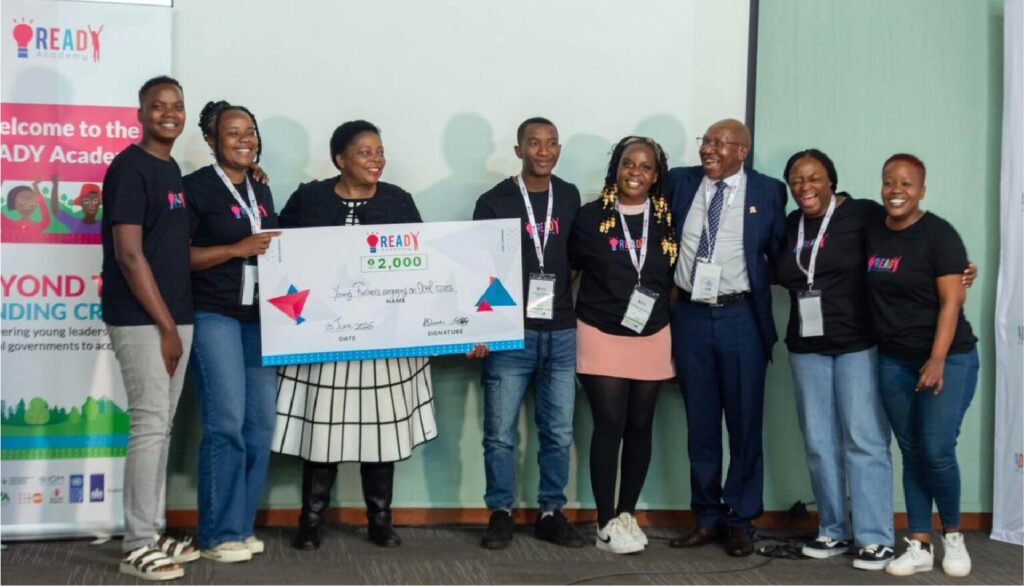
[From second left: Nikiwe and Thabiso being awarded their seed grant at the READY Academy 2025]
In 2025, through the READY Academy, they were awarded a USD 2,000 READY+ Seed Grant to implement their project, “Young Fathers and Young Men Engaging on SRHR Issues.” Their initiative focused on young men aged 18 to 29 in the Maphungwane and Shewula Chiefdoms, particularly young fathers and sexually active young men in and out of school who are often overlooked in SRHR programming.
What made their approach distinct was not just who they reached, but how they reached them.
Grounded in local culture, the project used a traditional dialogue space known as “kudliwa inhloko” – a communal gathering where men prepare and share a cow head meal while engaging in conversations about community issues. What might seem like an ordinary social setting became a trusted and familiar space to explore topics often considered sensitive: SRHR, early sexual engagement, fatherhood, and substance use.
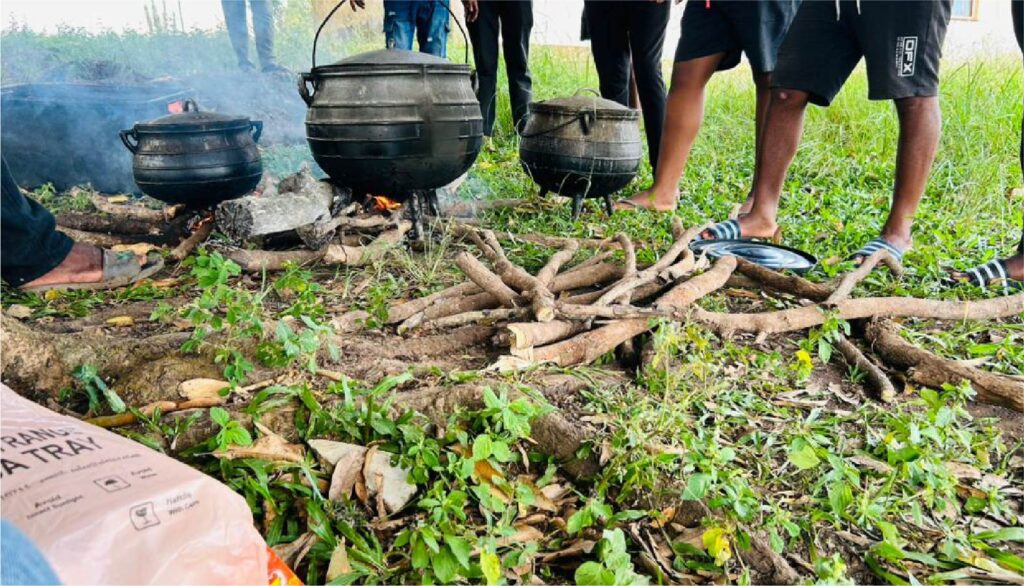
[“kudliwa inhloko” taking place in Maphungwane and Shewula Chiefdoms]
Within these spaces, Nikiwe, Thabiso and the young facilitators they worked with did not lecture or impose ideas. Instead, they created room for dialogue. They encouraged reflection, gently addressed misconceptions, and shared accurate information in ways that felt respectful and relatable. And slowly, but surely, something began to shift.
What started as structured discussions on HIV, sexually transmitted infections, PrEP and PEP, and cultural interpretations around sexual relationships evolved into deeper, more personal conversations. Young men began to speak openly about their fears, pressures, and experiences, transforming these gatherings into safe spaces where silence gave way to connection.
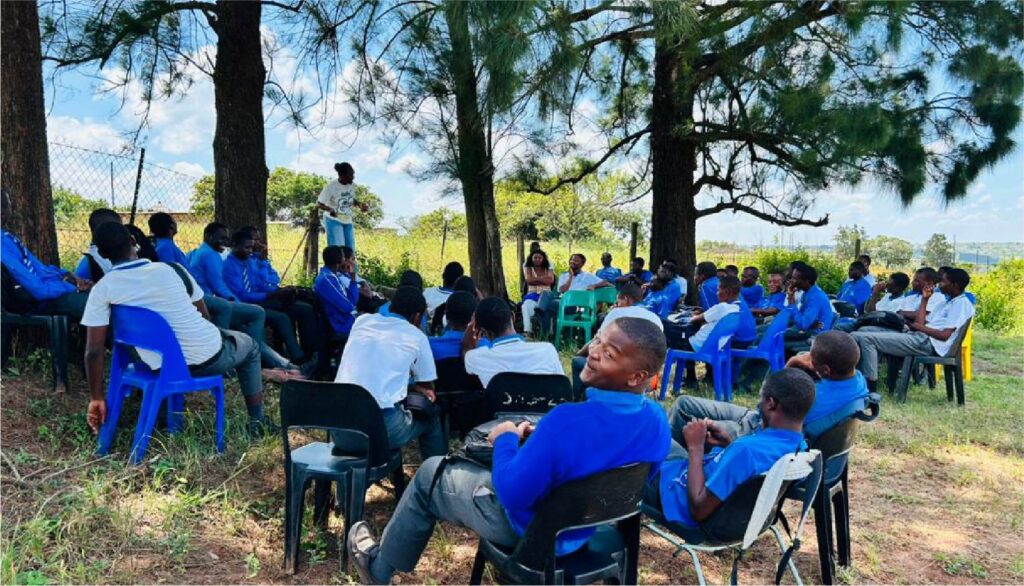
Alongside community dialogues, the project extended into schools, creating additional platforms for engagement and challenging stigma and discrimination within learning environments.
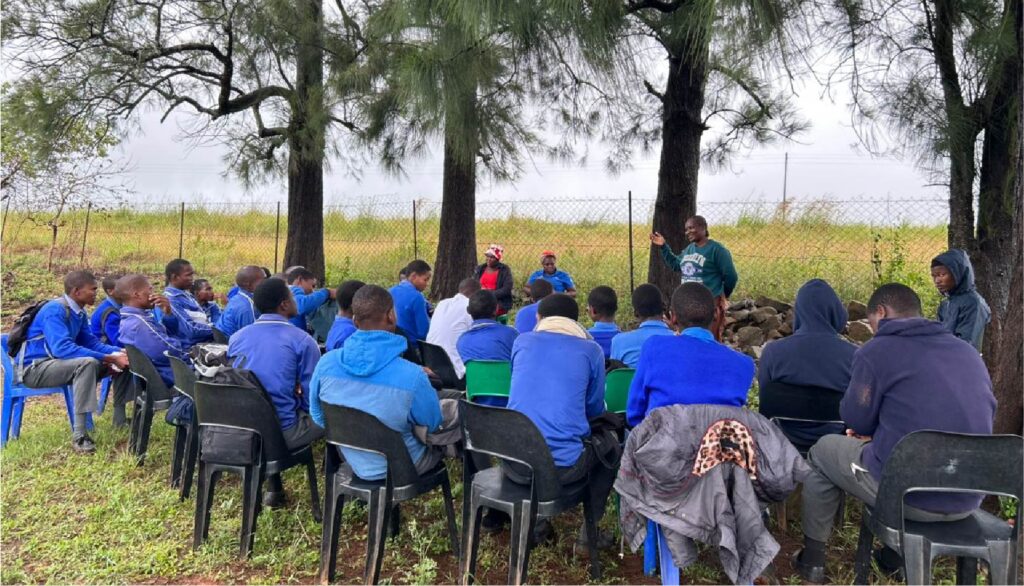
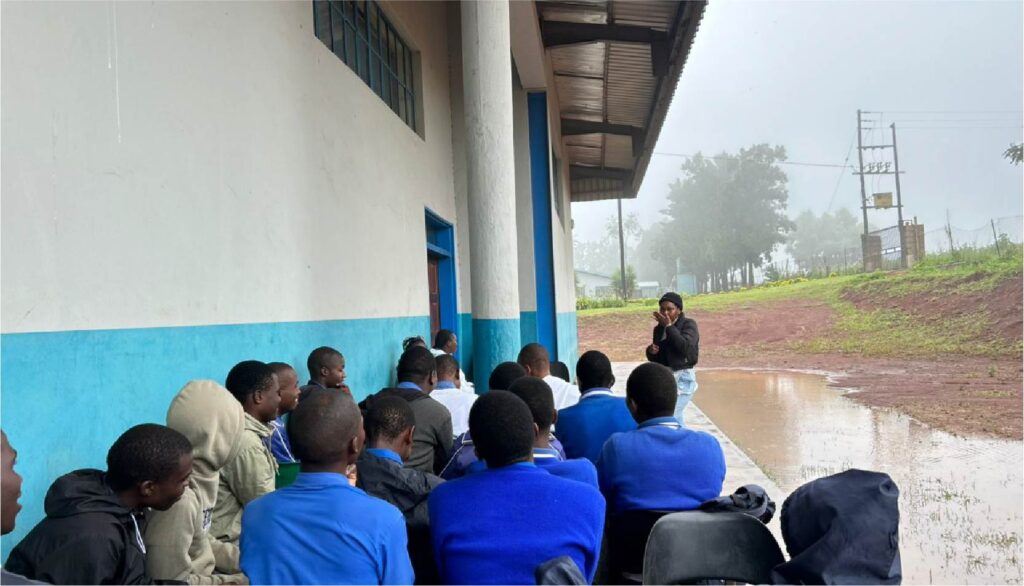
[In-school sessions with young men led by Nikiwe and Thabiso]
The initiative also addressed substance use, which, in this area, is an issue often overlooked. Even small shifts carried weight: some participants began actively seeking support to reduce or stop drug use, signalling a growing awareness and willingness to make different choices.
“Before this session, I did not think anyone understood what we go through. Today I realised that I can actually say no to drugs and choose a better future for myself.”
A teenage boy
Nikiwe and Thabiso reflect that the READY Academy played a key role in this journey, equipping them with the tools, structure, and confidence to translate their ideas into action, while reinforcing the value of listening, collaboration, and shared leadership.
“I felt like everyone was looking at me differently. I was ashamed and avoided joining lessons or the sessions. I never attended the first nor second session because I thought I would always be judged for becoming a young father.”
A teenage father
By the end of the project, 129 young men had been reached. But more importantly, many of them now feel seen, heard, and better equipped to make informed decisions about their health and their futures.
Young Fathers and Young Men Engaging on SRHR Issues is not just about increasing knowledge. It is about shifting narratives, recognising young men not as passive participants but as active contributors to healthier, more equitable communities.
And in doing so, it reminds us that meaningful youth-led advocacy not only responds to who is most visible; it also reaches those who have been quietly left behind and brings them into the conversation.
About The READY Seed Grants: The grants support young advocates to turn ideas into action, providing USD 2,000 for innovative, community-centred projects focused on young people and health. These grants are awarded through the READY Academy as part of READY+, which is funded and supported by the Embassy of the Netherlands in Maputo, Frontline AIDS and implemented by a consortium of partners across East and Southern Africa, including Y+ Global.