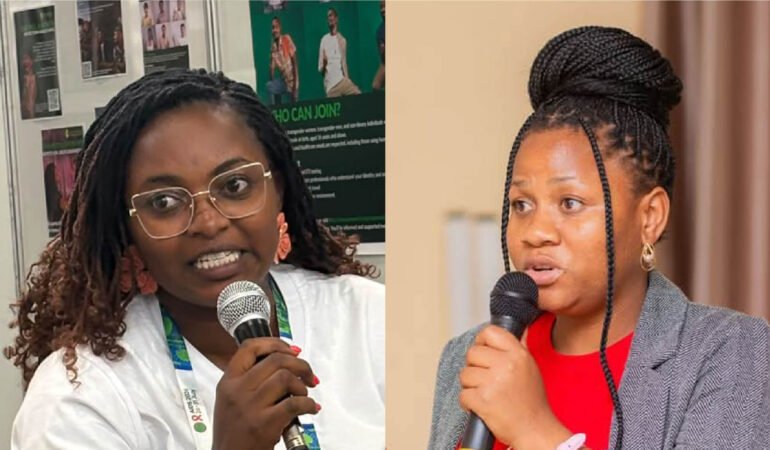
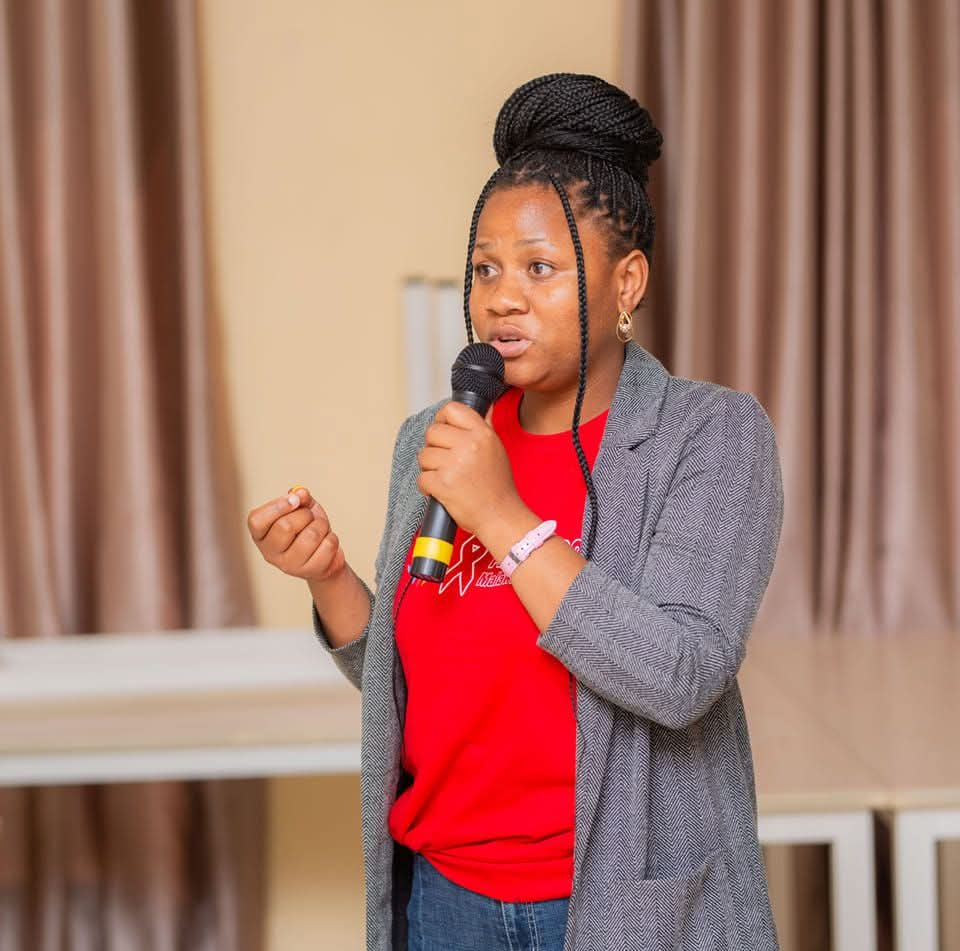
[From left to right: Lusungu Harawa, READY Focal Point for Malawi and Patricia Humura, bioethicist and researcher]
Mentorship can be transformative when it goes beyond advice and creates space for young leaders to build confidence, identify opportunities, and think strategically about their future.
Through the READY+ programme, Lusungu Harawa, a passionate youth advocate and READY+ Focal Point with the Network of Young People Living with HIV in Malawi, was paired with Patricia Humura, a bioethicist, researcher, and sexual and reproductive health and rights advocate from Uganda, under the READY mentorship programme from 2025 to 2026.
During the mentorship, the two worked together on Lusungu’s leadership development, professional profile, advocacy skills, and career goals. The journey has already contributed to significant milestones, from completing a bachelor’s degree to securing the Atlantic Fellows for Health Equity programme and scholarships to participate in international HIV spaces.
We sat down with Lusungu, the mentee, and Patricia, the mentor, to reflect on the journey, what made their mentorship work, and how it has shaped Lusungu’s leadership.
Before the mentorship began, how would you describe yourself as a young leader?
I was already passionate and committed to youth advocacy, especially because of my lived experience and my work within the HIV and SRHR space. But I think I was still trying to understand my professional identity.
I focused mostly on implementing programme activities. I was not necessarily thinking strategically about where I wanted to be in the next few years, how I could position myself, or how I could contribute to conversations beyond the spaces I was already working in.
The mentorship helped me recognise that I had something valuable to contribute at national, regional and global levels. I started seeing myself differently, not only as someone implementing activities, but as a young leader who could influence wider conversations.
Lusungu
When you first started mentoring with Lusungu, what did you see in her, and what areas did you identify that needed to be strengthened?
What stood out to me was her passion. Lusungu was intentional and willing to learn, so I knew we had an opportunity to grow together.
One area I wanted us to focus on was strategic relationship-building. As young leaders, it is important to show up in different spaces, build relationships and position yourself for opportunities. I encouraged her to look beyond the opportunities immediately around her and think about how she could expand her networks and professional profile.
We also worked on strategic writing because documenting your experiences and communicating your work are important parts of leadership and advocacy.
Patricia
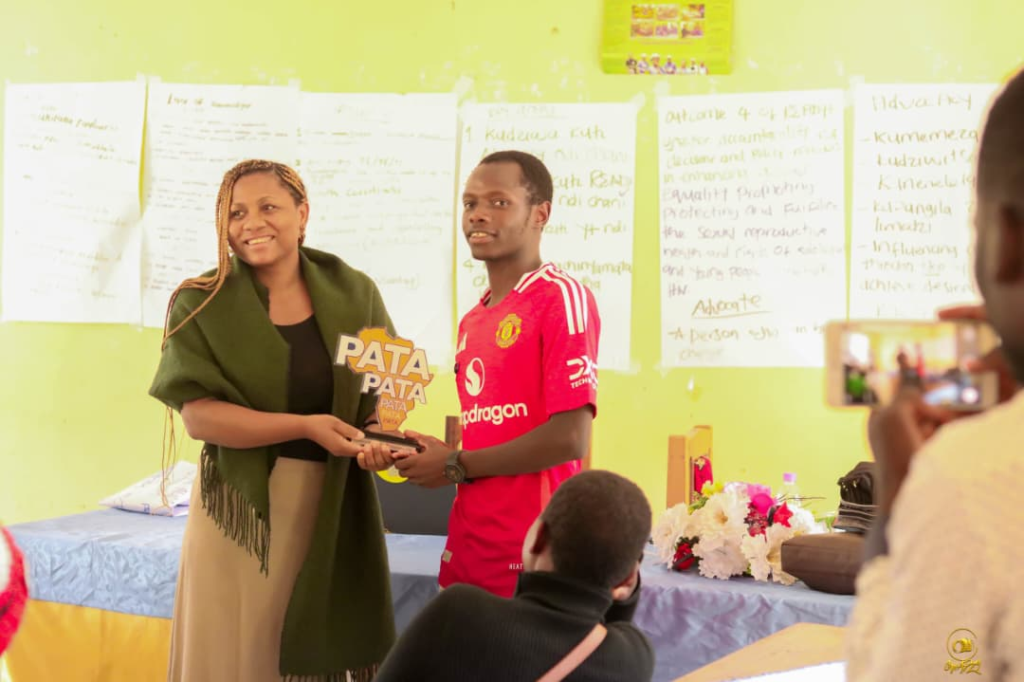
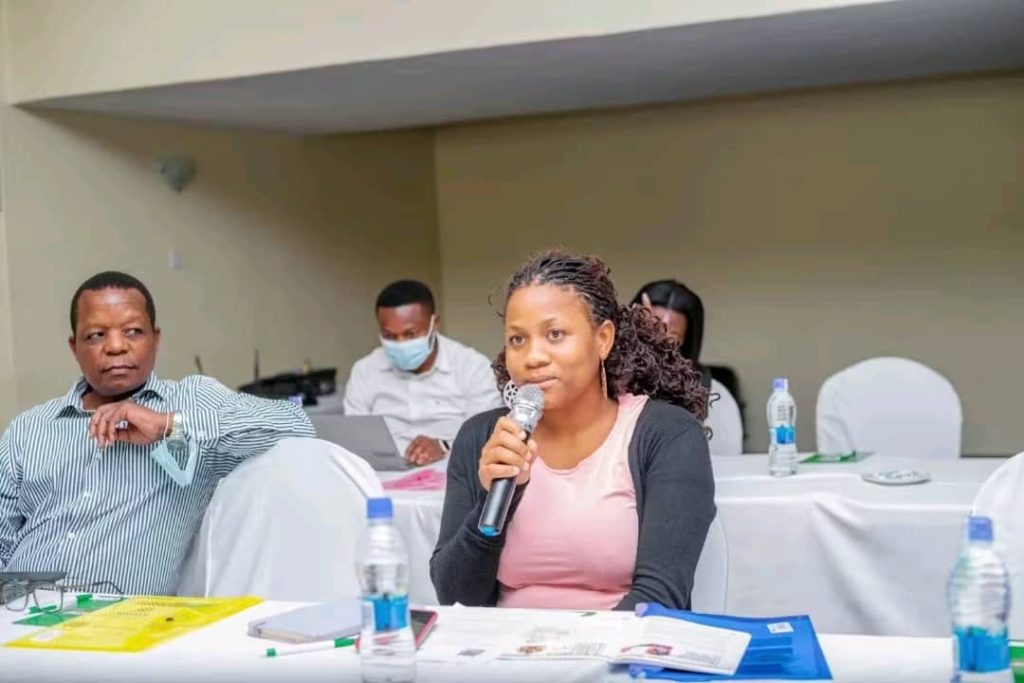
[Lusungu engaged in various advocacy engagements]
Can you tell us what the mentorship looked like in practice?
It was very structured. We usually met at least twice a month, often on Saturdays at 11 a.m. because that worked around our schedules.
The sessions were more than conversations and discussions. We did follow-ups and work between sessions. We discussed READY+ implementation, leadership, communication, professional development, and opportunities that could help me grow.
Lusungu
We also used the READY+ Focal Person guidelines and terms of reference to identify areas where Lusungu wanted support. That allowed us to make the mentorship relevant to both her responsibilities within READY+ and her longer-term development as a young leader.
Patricia
How did the mentorship help you become more intentional about your professional development?
One important thing was learning how to position myself for opportunities.
Patricia helped me review my CV, improve cover letters and identify opportunities that aligned with my interests. Instead of simply seeing an opportunity and applying, we thought strategically about what was required, what I could bring, and how I could present my experience.
We also worked on applications together. For example, we submitted an abstract for AIDS 2026. It wasn’t successful, but the process was valuable because I learned how to communicate my work and put myself forward for global opportunities.
Lusungu
One major milestone was your selection for the Global Health Corps Africa Leadership Accelerator Fellowship. How did the mentorship contribute to that?
I had previously applied for the fellowship, but I struggled to secure the organisational commitment required.
Patricia encouraged me to keep going. We looked at what had prevented me from succeeding the first time and discussed how I could approach the situation differently. She helped me think about how to negotiate internally and show why the opportunity mattered for my development.
Eventually, I secured the necessary commitment and was selected for the fellowship.
For me, it is an important opportunity because it is strengthening my understanding of health equity, policy, and the language we use when engaging in these spaces.
Lusungu
Sometimes mentorship is about helping someone see that a setback does not necessarily mean the opportunity is closed. We looked at the challenge and asked, “What can we do differently this time?”
Lusungu did the work. My role was to help her think strategically about how she could overcome the barrier and advocate for the support she needed.
Patricia
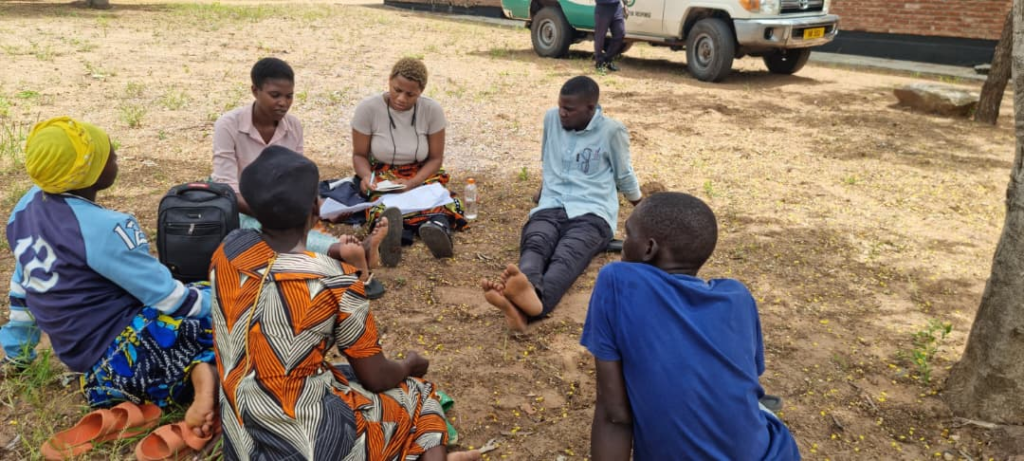
[Lusungu conducting a field engagement with young people in the community]
Can you tell us about the other opportunities that have come from this period of growth?
There have been several exciting opportunities. I received a Community Educator Scholarship to participate in the HIV Glasgow Congress in the United Kingdom in November. I was also selected for the HIV Cure Academy alumni edition in Gaborone, Botswana.
We have also explored other leadership opportunities, including applications for international platforms and networks.
At the same time, I completed my bachelor’s degree during the mentorship period. Balancing education, READY+ responsibilities, and professional opportunities was not always easy, so having someone to guide me through it was very helpful.
Lusungu
Patricia, looking at how far Lusungu has come, what has been most rewarding about watching her journey?
Seeing her confidence grow and how she approaches opportunities has been very rewarding.
I don’t believe mentorship should create dependency. I worked with Lusungu to help her recognise her own strengths, make informed decisions, and eventually navigate those spaces confidently on her own.
Seeing Lusungu apply what we discussed, take up opportunities, and then share that knowledge with other young people shows that the mentorship is extending beyond the two of us.
Patricia
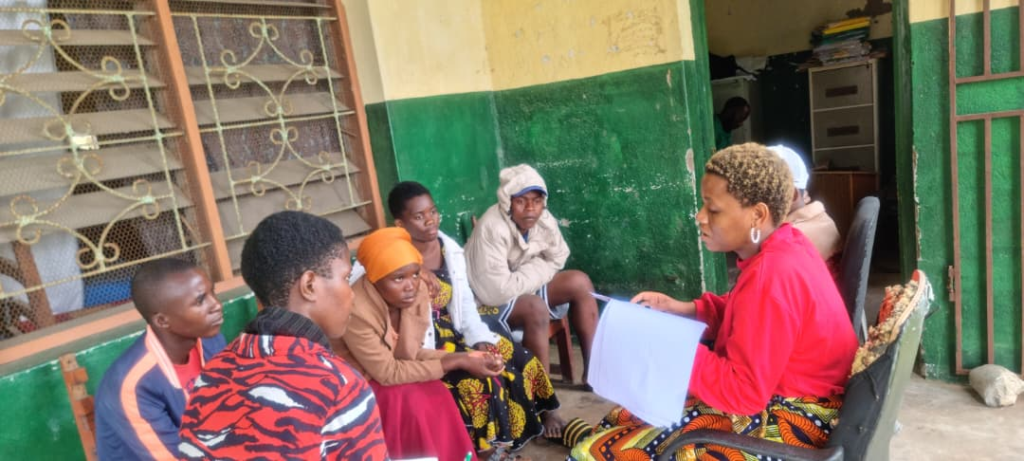
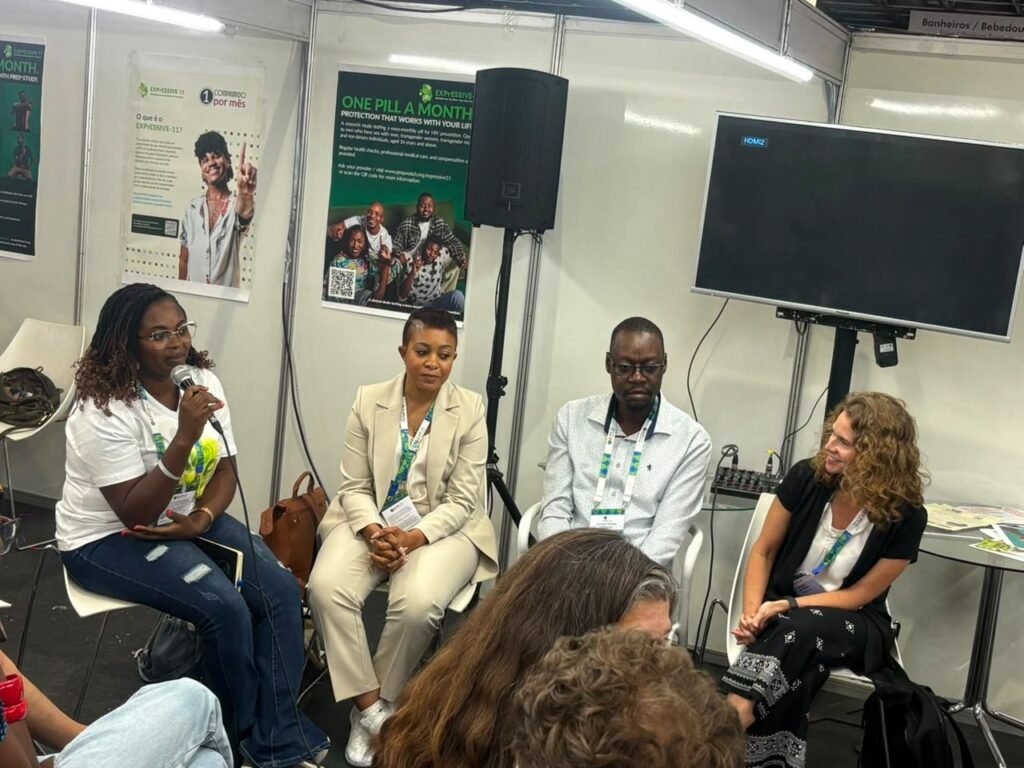
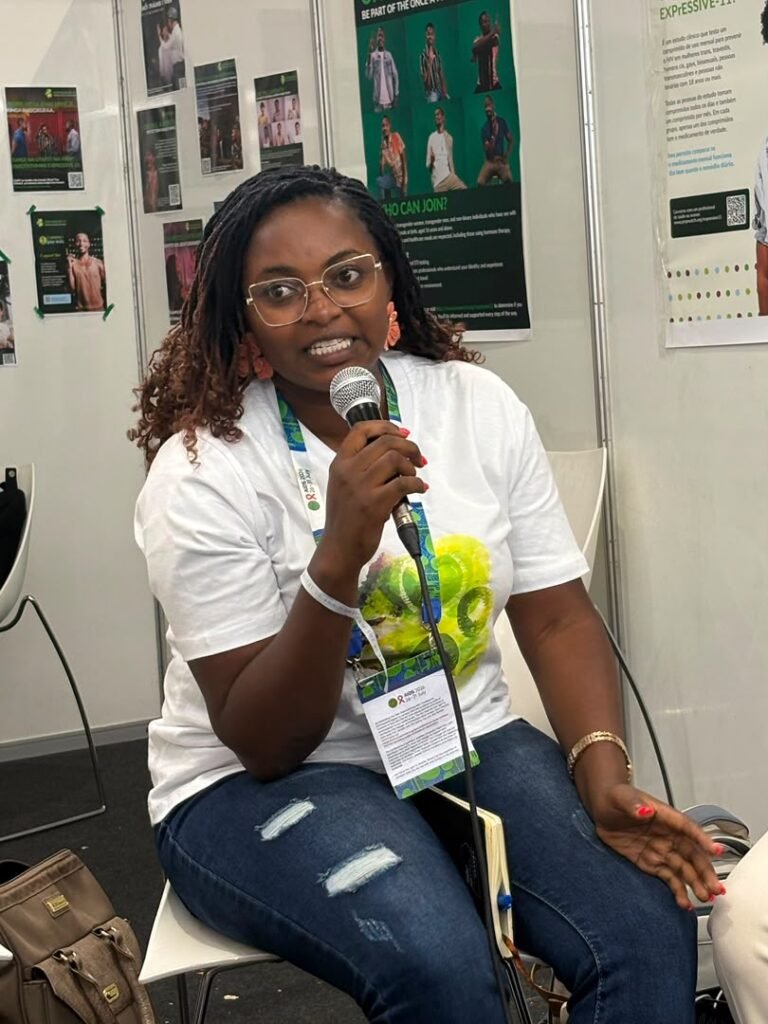
[From left to right; Lusungu conducting a field engagement with young people in the community; Patricia at the AIDS 2026 Conference in Brazil, during a panel discussion hosted by AVAC as a Global Community Advisory Group representative]
That is a very rewarding comfort. Lusungu, when you compare yourself now to the young leader you were before this mentorship, what has changed the most?
The biggest change is my perception of the kind of leader I am.
I have more confidence to take up space and communicate the value I bring. I am also more strategic about the opportunities I pursue, the relationships I build, and the direction I want my career to take.
Before, I was mostly thinking about the activities in front of me. What activities under the READY program to execute each week. Now I think more about the bigger picture: where I want to contribute, what skills I need, and how I can use the spaces available to me to advocate for young people.
Lusungu
Looking at the roles you played as mentor and mentee, what has been the value of this mentorship journey for you two?
As a mentor, I have learnt that young people already have ideas, experiences, and potential. Sometimes they need someone who can give them individual attention, help them identify their strengths, and challenge them to think beyond where they are now.
When mentorship is intentional and structured, it can help young leaders develop skills that stay with them beyond a particular project.
Patricia
For me, mentorship has shown that having someone who believes in your potential and also challenges you to grow can make a real difference.
I have gained opportunities, but more importantly, I have gained confidence and a clearer understanding of myself as a leader. And I want to continue passing that on to other young people.
Lusungu
Beyond READY+
As READY+ approaches the end of its current programme cycle, Lusungu and Patricia’s experiences show that mentorship’s impact does not have to end with a project.
The opportunities Lusungu has secured are important milestones, but the deeper impact may be visible in how she now approaches leadership: with greater confidence, stronger professional networks, a clearer sense of direction, and a commitment to creating opportunities for other young advocates.
Through the knowledge she is already sharing with READY+ peer supporters in Malawi, the mentorship is creating a ripple effect. One young leader’s growth becomes an opportunity for others to participate in policy discussions, strengthen their advocacy, and see themselves as leaders capable of influencing the HIV response.
That may be one of mentorship’s most lasting contributions: not simply opening doors for one young person, but equipping them to hold those doors open for others.