The early months of 2025 saw severe, unforeseen funding cuts across the global HIV and SRHR landscape. These sudden reductions disrupted service delivery, weakened community-led responses, and created serious gaps in accountability mechanisms, particularly those supporting adolescents and young people living with HIV across East and Southern Africa.
Youth-led networks found themselves navigating shrinking resources as demand for youth-friendly, rights-based services increased. In many contexts, these funding gaps threatened to undo hard-won progress toward meaningful youth engagement and community leadership.
For the READY+ Movement, 2025 became a defining test: could youth leadership withstand pressure and translate advocacy into durable systems change?
Rather than retreat, READY+ chose to hold the line.
Across Angola, Eswatini, Malawi, Mozambique, Zambia, and Zimbabwe, youth networks made a deliberate shift away from activity-based delivery alone. The focus turned toward protecting youth leadership spaces, sustaining accountability, and embedding youth-led approaches within national systems.
This approach was grounded in a clear principle: youth leadership must remain unignorable, especially when political and financial conditions are least favourable, and health priorities are shifting.
“When funding disappears, youth leadership is often the first thing to be deprioritised. READY+ showed that it can, and must be protected.”
Modester Mangilani, Senior Programmes Officer: READY Program
In Malawi, youth advocates from Y+ Malawi demonstrated sustained leadership and accountability in action. Long engaged with the Ministry of Health on the need for youth-friendly, rights-based adolescent HIV services, they refused to let funding pressures shut down those conversations in 2025.
Instead, youth advocates remained engaged through consistent follow-up and technical credibility, supported by sustained accompaniment rather than one-off interventions. That persistence led to a major breakthrough.
The Ministry of Health: HIV/AIDS department committed MWK 47 million in the 2026 national budget, with Global Fund support, to scale up READY+-integrated teen clubs in ten districts. Crucially, Y+ Malawi was formally designated as the lead coordinating organisation, responsible for training health providers, supporting peer mentors, and coordinating implementation at national and district levels.
This marked a structural shift, embedding youth leadership and rights-based adolescent care directly within government systems.
“This commitment shows that youth leadership is not an add-on; it is central to effective adolescent HIV care.”
Lusungu Harawa, READY+ Focal Point Malawi
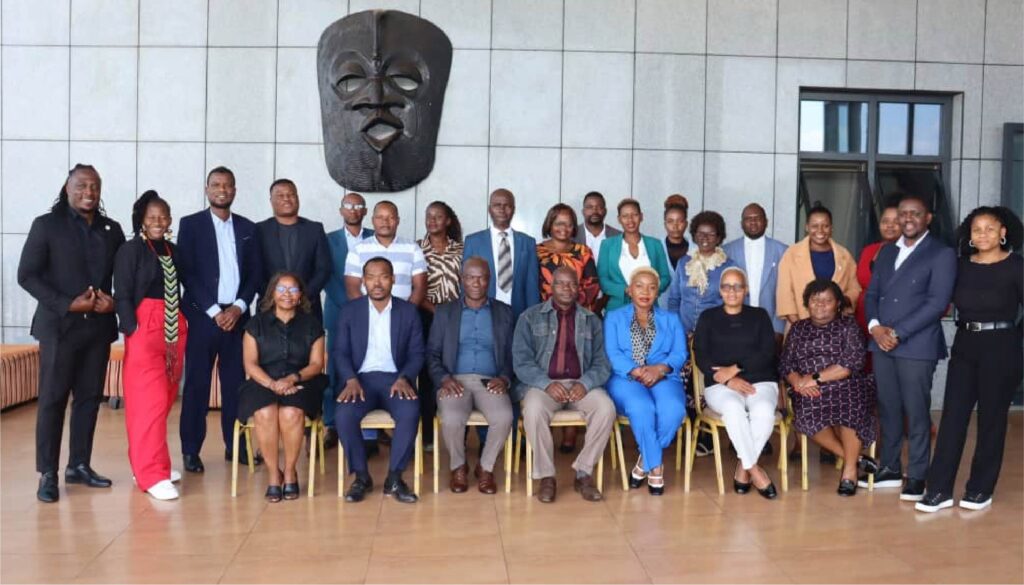
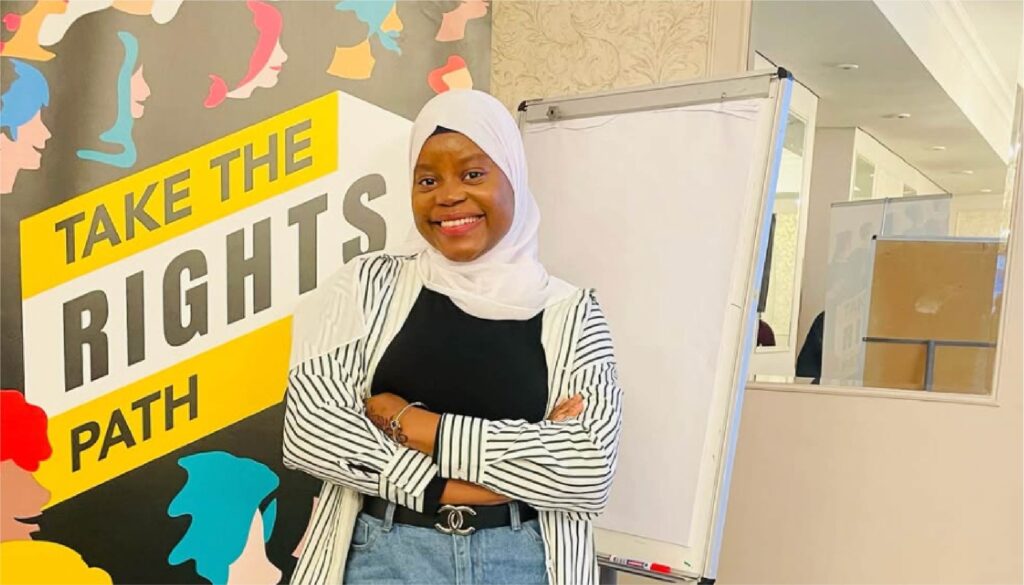
[Pictured left to right: Malawi’s Ministry of Health – HIV/AIDS and READY+ Focal Points in Malawi and Sheryss Saide, CCM member for Mozambique]
In Mozambique, the path looked different, but no less significant. Political instability threatened participation in Global Fund processes that already tend to exclude young people. Despite these constraints, youth advocates from PAAJ+ remained engaged, consistently asserting their right to participate in national decision-making spaces.
Their efforts resulted in the formal establishment of an Adolescent and Youth Constituency within the Country Coordinating Mechanism (CCM). READY+ focal point Sheryss Saide was elected to represent the constituency, securing sustained youth representation within one of the country’s most influential health governance bodies.
For Mozambican youth advocates, this marked a decisive structural shift: accountability was placed directly at the point where funding and policy decisions are made.
“Being in the room where decisions happen changes everything, from policy priorities to accountability, to meaningful youth engagement in decision making”
Sheryss Saide, READY+ Focal Point Mozambique
These outcomes were not isolated successes. Across READY+ countries in 2025, youth advocates pursued advocacy that was intentional, strategic, and inclusive.
National advocacy strategies were developed through consultations with Ministries of Health, National AIDS Councils, clinic staff, donors, and adolescents and young people living with HIV. Across contexts, the priorities were strikingly consistent, Youth-friendly services, duty-bearer accountability and engagement that goes beyond consultation toward shared decision-making.
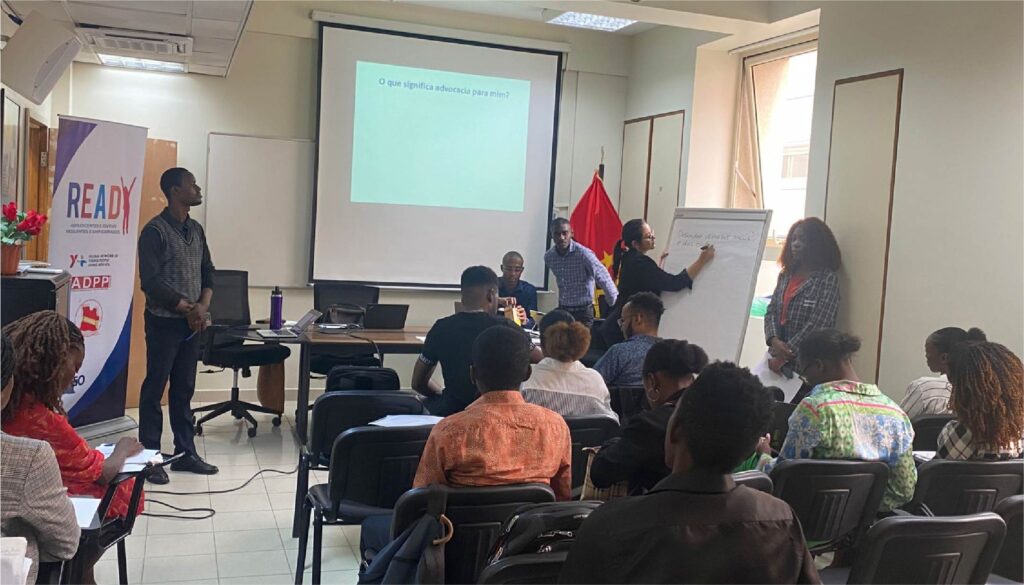
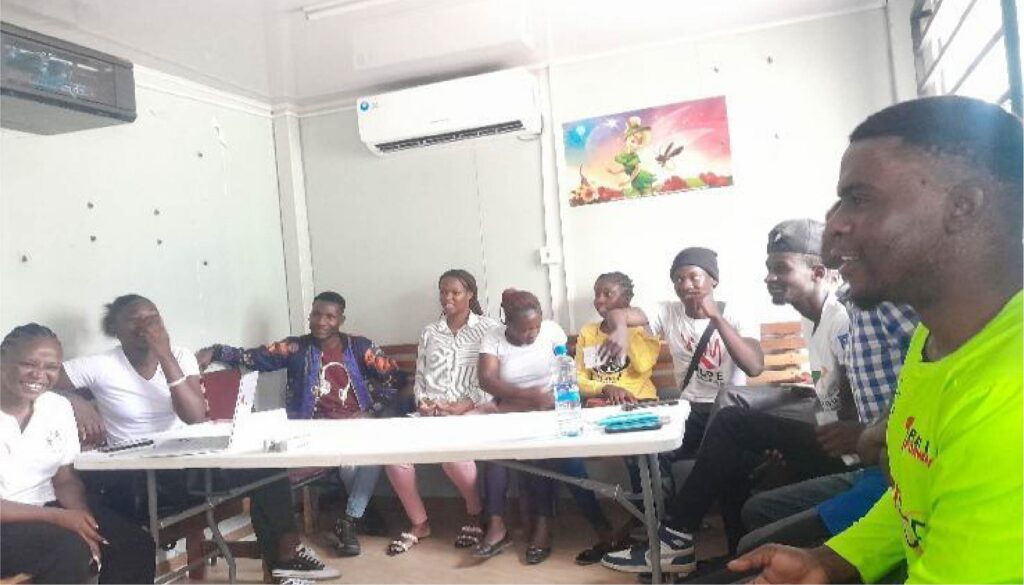
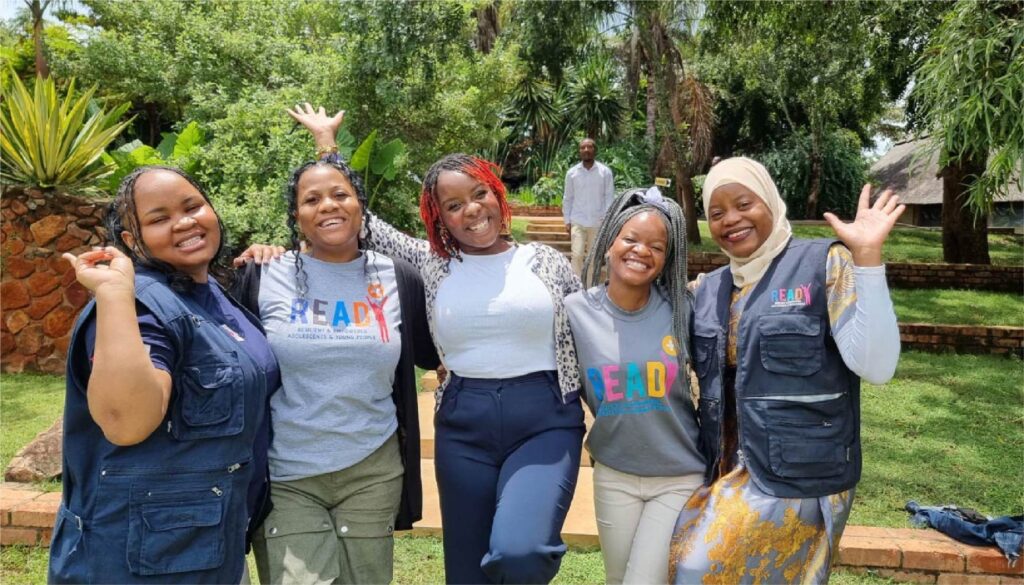
[From left to right: Angola ACADEJ leads the strategy development and Zambia ZNYP+ leads the development of their advocacy strategy]
These national priorities were consolidated into a Regional READY+ Advocacy Strategy, enabling youth networks to speak with a single, collective voice and exert coordinated influence at the regional and global levels.
Throughout 2025, READY+ carried grounded community experience into regional and global policy spaces. At the International Workshop on Adolescence, SRHR and HIV in Gaborone, youth leaders anchored discussions in the lived realities of adolescent girls and marginalised young people, including young people living with HIV and LGBTIQ+ youth.
Through a skills-building session grounded in the We Matter, Value Us guidelines, READY+ demonstrated how ethical and meaningful youth engagement strengthens both accountability and long-term sustainability in adolescent health responses.
“Meaningful youth engagement is not only ethical, but it leads to better, more sustainable outcomes.”
Priscilla Ama Addo, Junior Programmes Officer: READY Program
These same messages were amplified across other high-level forums, including the World Health Summit in Berlin and ICASA 2025 in Ghana. In spaces often dominated by governments, donors, and technical experts, READY+ advocates ensured that community realities remained central—reinforcing the need for sustained investment, including through the Global Fund’s Eighth Replenishment, to protect young people’s lives and futures.
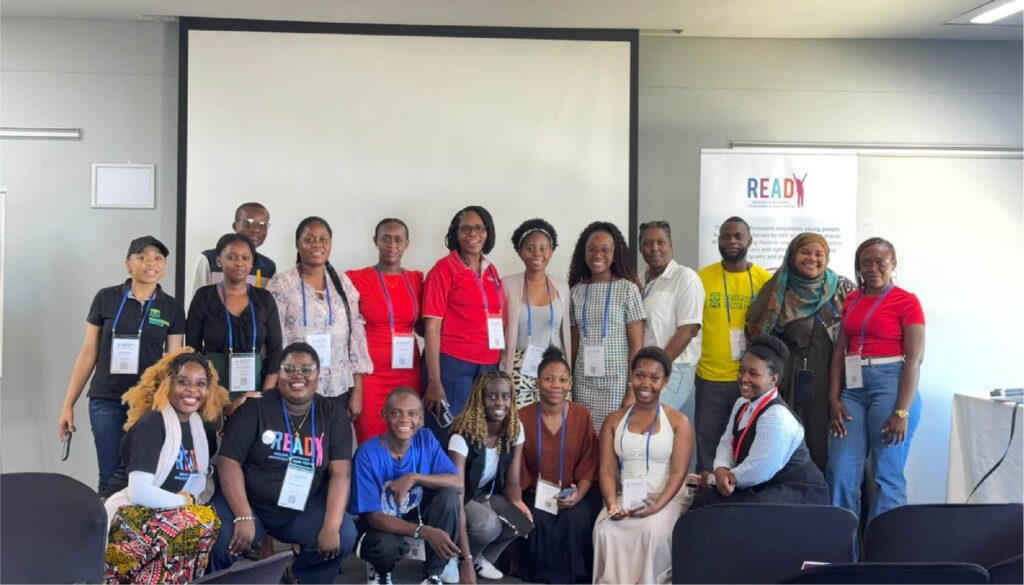
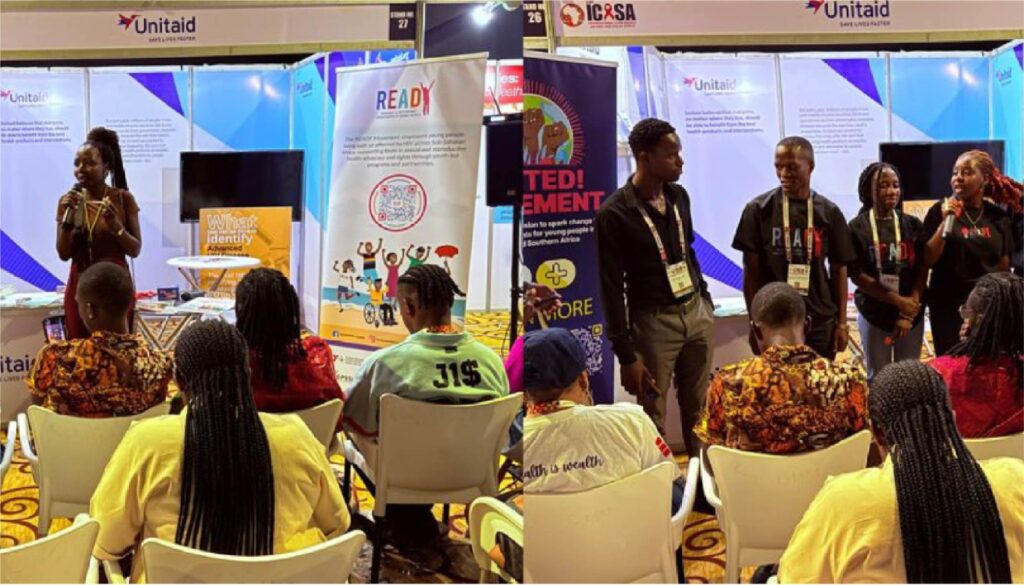
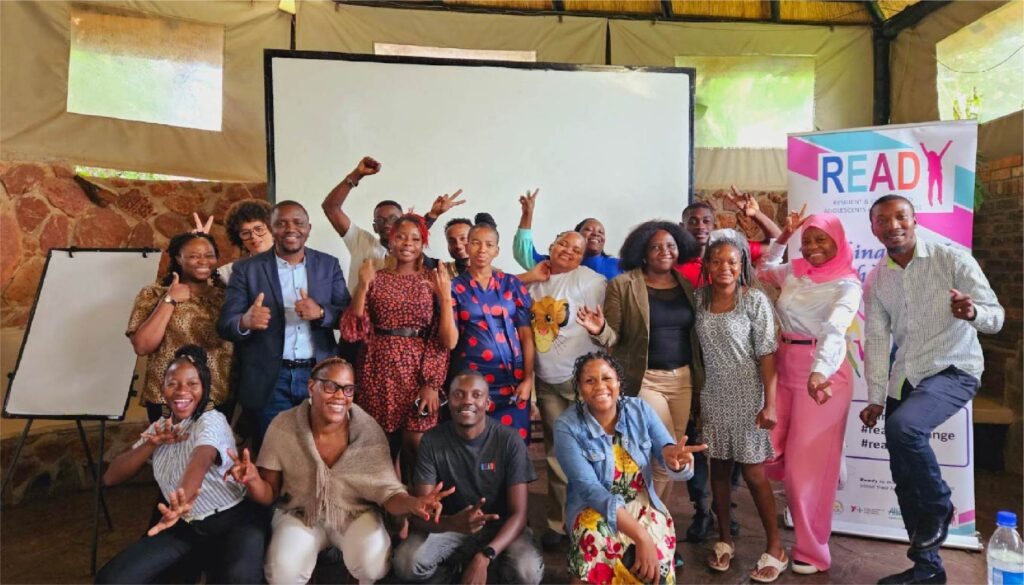
[From left to right: Participants at the READY Skills-building at HIV & Adolescence Workshop in Gaborone; Participants join the READY session during the Y+ Global booth takeover at ICASA 2025]
2025 was, by all accounts, a turbulent year. Yet READY+ demonstrated that youth leadership does not disappear under pressure. When meaningfully supported, it embeds more deeply in systems, particularly when resources are constrained and priorities shift.
Across countries, READY+ helped ensure that youth leadership within HIV and SRHR responses was not symbolic or temporary, but increasingly structural, institutionalised, and nationally owned. By protecting youth leadership spaces, strengthening accountability, and securing representation in decision-making, READY+ reinforced young people’s role as partners in shaping effective, rights-based health systems.
READY+ held the line.
About READY+
The READY+ Programme is led by Y+ Global, with donor support from the Embassy of the Kingdom of the Netherlands, and in collaboration with Frontline AIDS and consortium partners. We extend our sincere gratitude to all partners, youth advocates, and allies who continue to strengthen youth-led responses across the region.